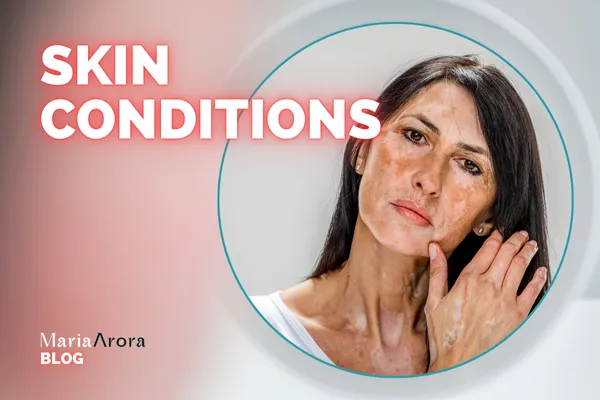
Skin Conditions
Skin Conditions: Understanding Triggers and Healing Approaches
Let's explore skin conditions. Over time, I have become known as a complementary dermatologist, helping people manage skin conditions in a natural and holistic way.
Before we dive in, it’s important to understand that different conditions reflect different states of your immune system. In simple terms, what appears on your skin often starts deeper in the body. Because this can be complex, the guidance I share here is designed to help you take steps on your own, while recognizing that professional assistance may sometimes be needed to uncover the root cause.
The Hierarchy of the Body and Skin
When we look at health and disease, the body moves through stages. For example, cancer develops after a long progression involving multiple organ systems. Within this hierarchy, the skin sits near the top. It is often the first place symptoms appear, and usually the last place they disappear. While not always the case, this pattern is common.
Some conditions are more inflammatory in nature and can stem from either:
* External triggers, such as a bee sting, which causes redness, swelling, and pain at the sting site.
* Internal triggers, such as a hormonal imbalance, where inflammation develops from within the body.
Chronic conditions are those that develop over time and typically involve multiple organ systems. These cases are often more challenging to address, requiring a broader focus on restoring balance across the body.
Beyond the Gut: The Bigger Picture
Many people believe that chronic skin conditions are caused solely by gut issues. While the gut can play a role, it is rarely the only factor. The skin often requires balancing across several systems before lasting improvements are seen, and in many cases, these other systems may need to be prioritized above gut health.
Another way to classify skin conditions is by whether the trigger is external (bee sting, chemical exposure) or internal (body system malfunction).
Histamines and Inflammation
A useful rule of thumb is this: if your skin is red, burning, swollen, and itchy, histamines are likely involved. These may come from foods, environmental exposures, or be produced within the body.
Examples include:
* Redness after a hot shower, which occurs due to histamine release.
* Flare-ups while exercising if the body overheats.
* Certain foods such as strawberries, which trigger histamine reactions.
In acute cases, it is essential to reduce histamine exposure by avoiding triggering foods and supporting the body’s natural detox pathways.
The Detox Connection
The body also uses the skin as a detox organ when the liver, lymphatics, or kidneys are overburdened. Nutrition plays a vital role here, both in lowering histamine intake and in supplying these organs with what they need to function effectively.
Troublesome dietary habits include:
* Consuming too many acid-forming foods and drinks such as caffeine, fizzy drinks, and sugar.
* Eating heavy foods high in cholesterol such as fried foods and coconut oil.
An overly acidic body makes the extracellular space dense and sluggish, slowing detoxification and delaying healing. This highlights why good pH balance and mineral status are key to skin health. If minerals are out of balance, skin regeneration and immune response are slowed.
Primary and Secondary Triggers
To better understand skin conditions, it helps to identify both primary and secondary triggers.
* A primary trigger is what initiates the condition.
* A secondary trigger is what continues to aggravate the flare-up or symptoms.
Examples:
* In scabies, the mites are the primary trigger. If the immune system fails to respond adequately, the secondary triggers could be pH imbalance or mineral deficiencies. Treatment would involve both supporting the immune system and addressing the scabies directly.
* In the case of a burn, heat is the primary trigger. Secondary triggers include inadequate nutrition (slowing skin regeneration) or exposure to pathogens (risking infection). Treatment must therefore cover both regeneration and protection.
Chronic Inflammatory Conditions
Long-term inflammatory skin conditions can cause significant suffering. Some of the most common conditions include:
* Eczema
* Dermatitis
* Granuloma annulare
* Rosacea
* Acne
* Fungal infections
* Psoriasis (in its nine different forms)
Because these conditions involve multiple body systems, they require a broad and layered approach. Over the coming episodes in this series, we will explore these conditions in depth.
Next Steps
Skin health is complex and influenced by many factors, including histamine load, detox capacity, mineral balance, and overall immune strength. By identifying triggers and supporting the systems involved, it is possible to bring the skin back into harmony.
If you require professional support for your skin condition—or any other health concern—you can book an appointment at Aurora Healing Codes (https://www.aurorahealingcodes.com/).


