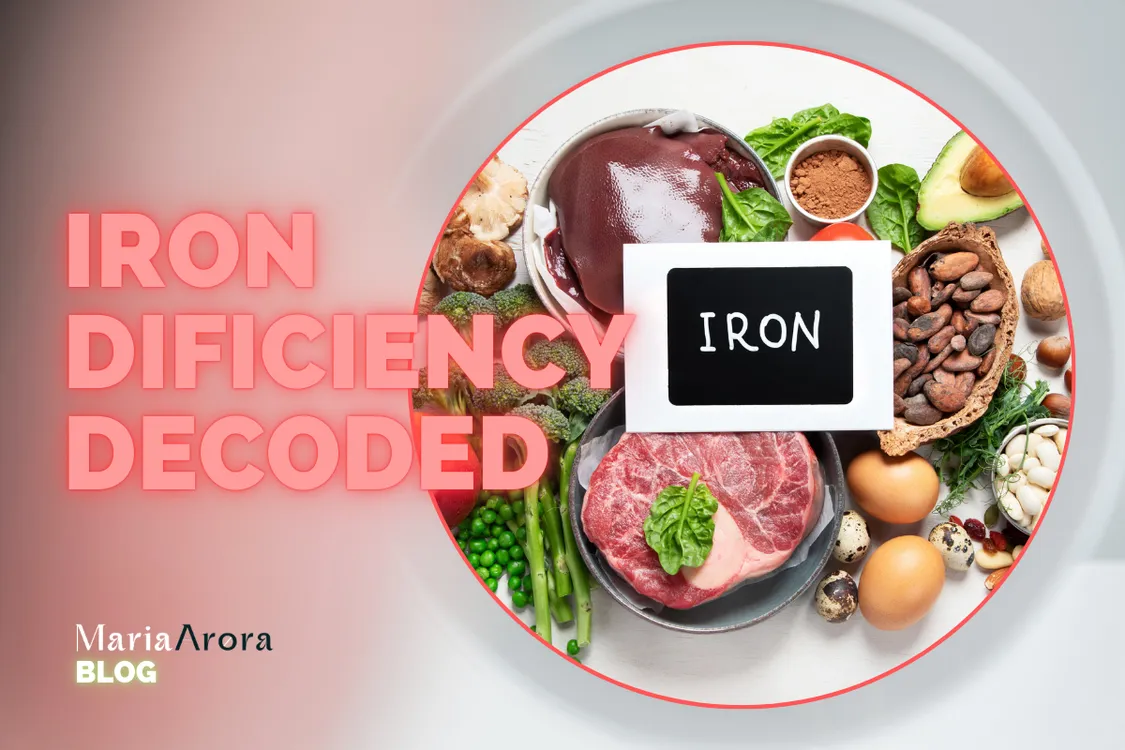
Iron Dificiency Decoded
Iron Deficiency Decoded
Natural Iron Support, Absorption and the Power of Organ Meats
Iron deficiency is one of the most common patterns seen in clinic. Many women are placed on supplements, yet they still feel tired, foggy, flat and depleted.
Iron deficiency is rarely just about low intake. It is about inflammation, absorption, storage and liver regulation.
Below is a clear breakdown to help you understand what is really happening in the body.
The Function of Iron in the Body
Iron plays a critical role in:
Keeping hair strong and preventing hair loss
Supporting healthy skin
Strengthening nails
Forming healthy blood
Producing energy
Oxygen uptake and transport
Regenerating tissues
Supporting mitochondria for cellular energy
First stage immune support
When iron is low, oxygen delivery drops. Less oxygen means less energy, slower healing and weaker immune defence.
The Biggest Myth About Iron
The common belief is that women are iron deficient mainly because of heavy periods.
While blood loss can contribute, the most common driver is chronic inflammation.
Inflammation may come from:
Parasites or worms
Gut viruses or bacterial imbalance
Respiratory infections
Hormonal disruption
Chronic stress
Elevated cortisol
Weight gain linked to inflammatory pathways
A menstrual cycle itself is an inflammatory process. If inflammation is already high, iron storage becomes impaired.
Treating worms, bacteria, viruses and stress is often essential before increasing iron.
Understanding Iron Storage: Hepcidin, Ferritin and Hemoglobin
The liver produces a hormone called hepcidin.
Hepcidin controls whether iron is absorbed, stored or locked away.
High inflammation increases hepcidin
High cortisol influences hepcidin
High hepcidin reduces iron absorption
If inflammation is not controlled, iron cannot be stored effectively.
Two key markers on blood tests:
Hemoglobin: active iron in circulation
Ferritin: stored iron in the body
Ferritin below 30 is considered low.
Optimal levels often sit between 30 and 150 depending on the individual.
Levels such as 9.9 are extremely low.
Infusions are sometimes given below 20, but rapid increases can cause nausea and discomfort.
When Does the Body Need More Iron?
Iron demand increases during:
Recovery from illness
Pregnancy
Intense exercise
Increased heart rate
High oxygen demand states
Your intake must match your output. If output is high, intake must increase.
The Three Forms of Iron
1. Synthetic Iron
Pharmaceutical form
Absorption rate around 1 to 2 percent
Common side effects: constipation, metallic taste, nausea
Taking iron with vitamin C may improve absorption.
Lactoferrin may assist by supporting regulation of inflammatory pathways and hepcidin.
Too much iron is also harmful. Iron overload conditions such as haemochromatosis can occur.
2. Plant Based Iron
Sources include:
Lentils
Nuts
Spinach and leafy greens
Absorption rate is around 9 percent.
Rebuilding iron through plant sources alone can take time.
Supportive strategies:
Combine with vitamin C
Ensure adequate magnesium
Support vitamin B12, especially for vegetarians
Use methylated B12 where methylation issues are present
Consider supportive tissue salts such as Ferrum phos
Beetroot juice, lemon and spinach combined with lactoferrin may support gentle rebuilding.
3. Animal Based Iron
Organ meats such as:
Beef liver
Kidney
Spleen
Contain heme iron.
Heme iron:
Is absorbed directly
Has absorption rates up to 35 percent
Does not require complex breakdown
Organ meats also provide:
Vitamin B12
Zinc
Vitamin A
These nutrients support red blood cell formation, tissue repair and immune balance.
Choose clean, organic sources to avoid exposure to hormones and heavy metals.
Muscle meat contains iron, but organ meats are significantly more bioavailable.
Stress, Cortisol and Iron
When cortisol rises:
Inflammation increases
Hepcidin increases
Iron absorption decreases
Chronic stress and nervous system dysregulation must be addressed alongside iron support.
Saliva cortisol testing and hormonal evaluation may be helpful in persistent cases.
Signs of Low Iron
Possible indicators include:
Red tip of the tongue
Purple tone at the inner eye corner
Pale lower eyelid
Pale inner lips
Fatigue
Hair thinning
Brittle nails
Practical Iron Support Guidelines
Address inflammation first
Support liver health
Calm cortisol and stress
Start with low iron quantities
Gradually increase intake
Aim for a palm sized portion of iron rich meat daily where appropriate
Combine iron with vitamin C for better absorption
Final Thoughts
Iron deficiency is rarely just about iron.
It reflects deeper patterns involving:
Inflammation
Liver function
Hormones
Stress
Immune balance
Nutrient absorption
When you reduce inflammation and support the body properly, iron levels stabilise in a more sustainable and natural way.
Treat the root cause first. Then rebuild wisely.


